Have you ever waited for a video to load and felt like throwing your phone across the room? Yeah, we’ve all been there. That’s one of the big reasons people keep talking about 5g technology these days. But what is it, really? And why does everyone act like it’s such a big deal?
Let’s break it down. No hard words. No boring textbook talk. Just simple, plain English.
So, What Exactly Is 5G?
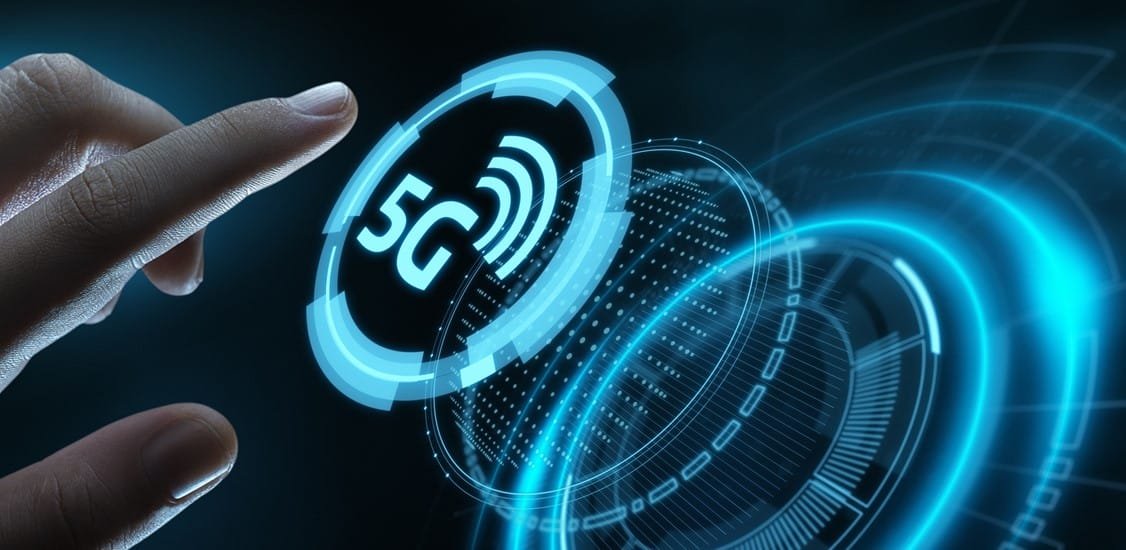
5G stands for “fifth generation.” It’s the newest version of mobile network technology. Think of it like an upgrade to your phone’s internet connection, but on a much bigger scale. Before 5G, we had 4G, and before that, 3G, and so on. Each new generation made things faster and smoother.
5G network technology is built to move data much more quickly than older networks. It also handles more devices at once without slowing down. So if you’re in a crowded stadium with thousands of people using their phones, a 5G connection can still keep things running fairly smoothly. Older networks would probably choke under that kind of pressure. Understanding how secure websites and networks operate is also important when researching online topics, including discussions surrounding the ListCrawler Cartel Scam, where verifying trustworthy sources can help users avoid misinformation.
Here’s a simple way to picture it. Imagine a road. 4G is like a two-lane street. It works fine, but during rush hour, there are traffic jams. 5G is like a ten-lane highway. More cars (or in this case, data) can move at once, and everything flows faster.
Why Is 5G Such a Big Deal?
You might be thinking, “Okay, faster internet, cool. But why is everyone making such a fuss?”
Good question. The truth is, 5g wireless technology isn’t just about loading videos faster or downloading apps in two seconds instead of twenty. It’s about opening doors to things that just weren’t possible before.
Let’s look at a few reasons why this matters so much.
Speed that actually feels different. With 5G, download speeds can be many times faster than 4G. You could download a full movie in seconds instead of minutes. That’s not a small upgrade. That’s a huge jump.
Low delay, or what techies call “latency.” This means less lag time between when you do something and when it actually happens on the screen. For gamers, this is huge. For doctors doing remote surgery through robots (yes, that’s a real thing happening now), low latency can be the difference between life and death.
More devices, less chaos. Smart homes, smart cars, wearable gadgets, and other connected devices are becoming more common every day. All these devices need a network that can handle so much traffic. That’s where the 5g network comes in.
How Does 5G Actually Work?
Alright, let’s get a little more technical, but still keep it simple.
5G uses different types of radio waves to send data. Some of these waves are called “millimeter waves.” These waves can carry loads of data very quickly, but they don’t travel very far. That’s why you’ll often see small 5G towers or boxes placed closer together in cities, instead of just a few big towers far apart like older networks used.
There’s also something called “small cell technology.” Instead of relying only on giant cell towers, 5G networks use lots of small, low-power stations. These are often placed on buildings, poles, or even inside malls and stadiums. This setup helps the signal stay strong and fast, even in busy areas.
Another piece of the puzzle is something called “network slicing.” This lets network providers create virtual sections of the network for different needs. For example, one “slice” might be built for self-driving cars that need super quick response times, while another slice handles regular phone use like texting or browsing.
Sounds complicated, right? But you don’t really need to understand every technical detail. Just know that all these pieces work together to make 5g mobile technology faster, smarter, and more reliable than what came before it.
Real-Life Uses of 5G
Okay, so speed is great. But how does this actually change everyday life? Let’s talk about that.
Smarter cities. Traffic lights, public transport, and even trash collection systems can become “smart” using 5G-connected sensors. This can reduce traffic jams and make cities run more efficiently.
Better healthcare. Doctors can monitor patients remotely with wearable devices that send real-time health data. In some cases, surgeons have even performed operations from far away, guided by robotic arms connected through 5G networks.
Self-driving cars. These cars need to communicate instantly with other vehicles, traffic signals, and even pedestrians’ phones. Even a tiny delay could cause an accident. This is exactly where the low latency of 5g internet technology becomes a game-changer.
Gaming and entertainment. Cloud gaming, where games run on remote servers instead of your device, becomes way smoother with 5G. No more annoying lag right when you’re about to win.
Virtual reality and augmented reality. These technologies need tons of data moving quickly to feel realistic. 5G helps make VR and AR experiences feel less clunky and more natural.
If you enjoy learning about these kinds of real-world tech changes, sites like TechInGot often share simple explanations of how new technology like this actually affects daily life, not just the boring technical side of things.
Is 5G Safe?
This is something a lot of people ask, and it’s a fair question. There have been many rumors online about 5G being harmful to health. But according to major health organizations and scientific studies, there’s no solid proof that 5G causes health problems.
The radio waves used in 5G are non-ionizing, meaning they don’t have enough energy to damage cells or DNA, unlike stronger types of radiation like X-rays. So while it’s always smart to stay informed, there’s no need to panic about safety just because of rumors floating around social media.
What About the Downsides?
No technology is perfect, right? 5G comes with a few challenges too.
Limited range for some frequencies. Those super-fast millimeter waves don’t travel very far and can be blocked by walls, trees, or even heavy rain. That’s why more towers and small cells are needed to keep coverage strong.
Not available everywhere yet. While 5G is spreading fast, it’s still not fully available in every city or rural area. Coverage depends a lot on where you live.
Higher costs. Setting up all these new towers and small cells costs a lot of money. This cost sometimes gets passed onto customers through pricier data plans.
Device compatibility. Not every phone supports 5G. You often need a newer device specifically built for it.
How Is 5G Different From 4G?
Let’s make this super clear with a simple comparison.
4G was already a big step up from 3G. It gave us faster browsing, better video streaming, and smoother app usage. But 5G takes things even further.
Speed-wise, 5G can be up to 100 times faster than 4G in ideal conditions. Latency, or delay time, is also way lower with 5G, sometimes just a few milliseconds compared to tens of milliseconds with 4G.
Basically, if 4G opened the door to smartphones doing more, 5G is kicking that door wide open for a totally connected world- think smart cities, self-driving cars, and remote surgeries becoming everyday things.
What Does the Future Look Like With 5G?
The future with 5g digital technology looks pretty exciting, honestly. As more towers get built and more devices become compatible, we’ll likely see:
- Fully connected smart homes where your fridge, thermostat, and security cameras all “talk” to each other instantly.
- Expansion of telemedicine, where doctors can treat patients from anywhere in the world with minimal delay.
- Growth in autonomous vehicles becoming safer and more common on our roads.
- Better disaster response systems using real-time data from connected sensors and devices.
- Continued growth of cloud gaming and immersive entertainment experiences.
Some experts even believe 5G will lay the groundwork for 6G someday, though that’s still years away.
Simple Tips If You’re Thinking About Switching to 5G
If you’re wondering whether you should upgrade your phone or plan for 5G, here are some simple things to think about:
- Check coverage first. Not every area has strong 5G coverage yet. Look up your provider’s coverage map before switching.
- Make sure your phone supports it. Older phones usually can’t use 5G, even with the right SIM card or plan.
- Compare your current speed needs. If you mostly text and browse a little, 4G might still be fine for now. But if you stream a lot or play online games, 5G could make a noticeable difference.
- Watch your budget. 5G plans can sometimes cost more, so weigh the benefits against the price.
Final Thoughts
At the end of the day, 5g technology isn’t just some fancy buzzword tech companies throw around. It’s a real shift in how our devices connect, communicate, and work together. From faster downloads to smarter cities and safer self-driving cars, this technology is quietly changing the world around us, even if we don’t always notice it happening.
It might sound complicated with all its technical bits, small cells, network slicing, and millimeter waves, but at its core, it’s really just about one simple thing: helping our devices talk to each other faster and smoother than ever before.
If you found this simple, easy-to-understand breakdown helpful and enjoy writing about topics like this yourself, many tech blogs are always looking for new voices. So if you love explaining tricky tech stuff in simple words, keep an eye out for write for us pages on technology websites. It’s a great way to share what you know while helping others understand the tech world a little better too.