
how to write a cooking recipe heartumental has become an essential skill for food bloggers, chefs, and home cooks who wish to share their kitchen creations with the world. Writing a recipe is more than listing ingredients and steps; it’s about capturing the soul of cooking — the flavors, aromas, and emotions behind every dish. When someone reads your recipe, they should feel guided, inspired, and confident to recreate your masterpiece in their own kitchen.
A well-written recipe not only tells people what to cook but also teaches how and why each step matters. It’s the bridge between culinary imagination and practical execution. Whether you are documenting family traditions or inventing modern dishes, your recipe must balance accuracy, personality, and clarity. This comprehensive guide explores the structure, tone, and artistry required to craft unforgettable recipes that resonate with readers and elevate your culinary storytelling.
Understanding the Purpose of a Recipe
Before learning the deeper layers of how to write a cooking recipe heartumental, it’s important to understand why recipes exist. A recipe is not how to make easy dinner recipes heartumental merely a set of instructions — it’s a communication tool that translates a cook’s personal experience into a universal language. Good recipes allow others to replicate the taste, aroma, and emotion behind a dish, even if they’ve never tried it before.
The purpose of a recipe extends beyond cooking; it’s about preserving culture, passing down family secrets, and inspiring creativity in others. Each recipe you write contributes to a larger culinary archive that connects people across generations and geographies. By treating your writing as both an art and a responsibility, you ensure that the dishes you love remain accessible and meaningful to anyone who reads your work.
Choosing the Right Recipe to Share
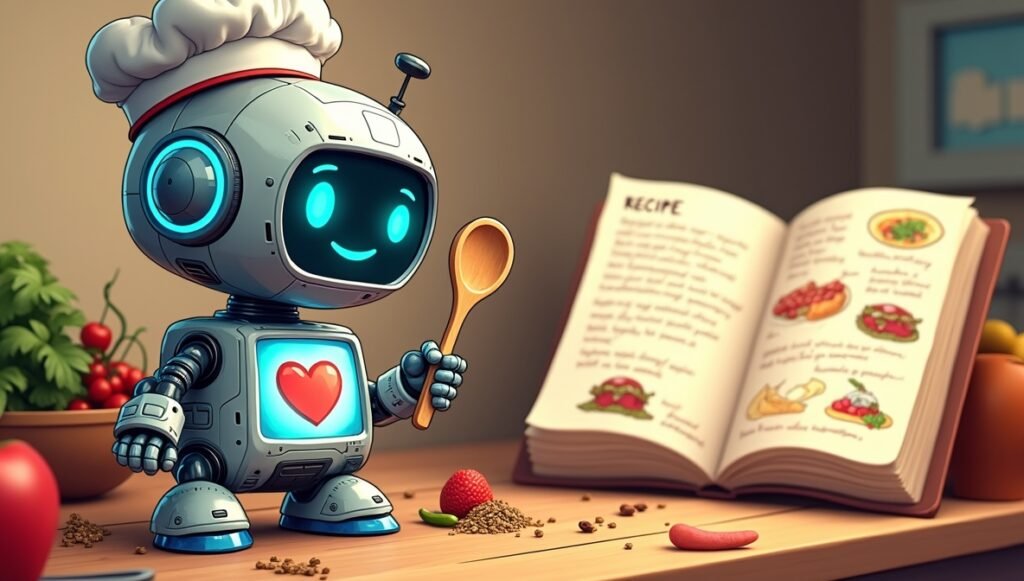
The first step in writing a great recipe is choosing what to share. The concept of how to write a cooking recipe heartumental begins with identifying dishes that hold personal significance or universal appeal. Maybe it’s a comforting bowl of soup from your childhood, or a modern dessert inspired by your travels — what matters most is your connection to it.
Your recipe should reflect authenticity and relatability. Readers are drawn to stories, so before typing a single instruction, think about why this dish matters. Is it a celebration meal, a budget-friendly weekday option, or a recipe that solves a common kitchen problem? Defining this purpose will help shape the tone and structure of your writing.
Selecting the right recipe also involves considering audience expectations. Are you writing for busy parents, health-conscious readers, or gourmet enthusiasts? Tailoring the recipe to your audience ensures engagement and trust, which are key to long-term culinary success.
Structuring Your Recipe for Clarity
The structure of a recipe determines how easily readers can follow it. When learning how to write a cooking recipe heartumental, always prioritize organization and readability. A good recipe typically follows a consistent structure: title, introduction, ingredients list, step-by-step instructions, and optional tips or notes.
Each section should serve a clear purpose. The title must be descriptive and enticing, giving readers an immediate sense of what to expect. The introduction can briefly describe the origin, flavor profile, or serving occasion. The ingredients list should be precise, formatted in the order they are used, and include measurements that are easy to understand.
In the instructions, each step should begin with a strong verb — such as mix, whisk, bake, or serve. Avoid long, complicated sentences; clarity is more important than cleverness. If a process requires timing or technique (like folding egg whites or simmering sauce), provide practical details to ensure success. Readers appreciate recipes that anticipate their challenges and guide them with care.
The Power of Tone and Voice
A recipe isn’t just instructional text — it’s a conversation between the cook and the reader. The secret of how to write a cooking recipe heartumental lies in crafting a voice that feels approachable, knowledgeable, and passionate. Your tone should match the type of recipe you’re sharing. A formal tone suits gourmet or professional dishes, while a warm, conversational tone is ideal for home-cooked meals or comfort food.
Adding personality doesn’t mean overloading your recipe with unnecessary commentary. Instead, sprinkle small anecdotes, personal insights, or cultural notes that make your recipe memorable. For example, if you learned a dish from your grandmother, mention how she used to add a pinch of spice “for luck.” These touches humanize your writing, helping readers connect emotionally.
Ultimately, your tone should empower readers. The best recipes make people believe they can cook something extraordinary, no matter their skill level. When readers feel guided rather than intimidated, they’re more likely to trust your future recipes too.
Crafting a Compelling Introduction
The introduction is your opportunity to draw readers in. When using how to write a cooking recipe heartumental as your framework, always begin your recipe with an introduction that captures attention. A few lines about the dish’s origin, flavor, or special memory can transform a simple recipe into a story worth remembering.
For instance, if you’re writing a recipe for homemade lasagna, describe how its aroma fills your kitchen or how layering it feels like creating edible art. Your introduction should make readers want to try the dish immediately. It’s also a great place to highlight unique ingredients or cooking methods that set your recipe apart.
A strong introduction establishes trust and emotion, blending culinary detail with human experience. It reminds the reader that cooking is more than following instructions — it’s a form of creative expression and love.
Creating the Perfect Ingredients List
Accuracy is the backbone of every recipe. One of the main principles of how to write a cooking recipe heartumental is to provide a complete, precise, and easy-to-read ingredients list. Readers depend on you for reliable quantities and clarity, so pay attention to details like units, order, and preparation notes.
Ingredients should be listed in the sequence they are used within the recipe. This helps cooks stay organized and prevents mistakes during preparation. Use standardized measurement systems — either metric or imperial — and avoid switching between them mid-recipe. If your recipe calls for unique or regional ingredients, offer substitutions or sourcing advice to ensure accessibility.
Clarity also includes specifying ingredient states (e.g., “chopped onions,” “melted butter,” “room-temperature eggs”). This small step can dramatically affect results, so never assume readers will automatically know what you mean. The clearer your list, the smoother their cooking experience will be.
Writing Instructions That Inspire Confidence
The heart of any recipe lies in its instructions. The beauty of how to write a cooking recipe heartumental is that it teaches you to blend precision with encouragement. Each step should lead naturally to the next, creating a sense of flow that keeps readers engaged from start to finish.
Begin every instruction with an action word to maintain momentum. Break complex techniques into smaller, manageable tasks. Instead of saying “Prepare the sauce,” write “Heat butter in a pan, add garlic, and sauté for one minute before adding tomatoes.” This level of specificity eliminates confusion and builds confidence.
Timing and temperature details are critical. Include cues that help readers gauge progress, such as “until golden brown” or “until the mixture thickens.” Visual and sensory guidance transforms your recipe into a hands-on experience rather than a technical list. When readers feel like you’re right beside them in the kitchen, you’ve succeeded as a recipe writer.
Enhancing Recipes with Tips and Notes
A professional touch that defines how to write a cooking recipe heartumental is the inclusion of helpful tips, variations, and troubleshooting notes. These additions elevate your recipe from good to exceptional. Tips can include ingredient substitutions, presentation ideas, or suggestions for storing leftovers.
Notes can also clarify tricky steps or offer alternative cooking methods (like oven vs. air fryer). Providing such insights shows that you understand real-world kitchen challenges. Readers love flexibility, and giving them options fosters creativity while maintaining the dish’s integrity.
Moreover, tips can encourage experimentation. A note like “try adding chili flakes for a spicy kick” invites readers to personalize the dish. When you empower readers to make recipes their own, they’re more likely to return to your content and share it with others.
Balancing Creativity and Precision
Cooking is both an art and a science. The philosophy of how to write a cooking recipe heartumental emphasizes the balance between precision and personal touch. While recipes need accurate measurements and methods, they should also reflect creativity and adaptability.
Your writing should provide enough structure for success but enough flexibility for exploration. Encourage readers to substitute flavors, adjust textures, and customize garnishes. This balance keeps your recipe approachable while honoring the unique cooking styles of different individuals.
However, never compromise essential details for creativity. Accuracy ensures consistency — and consistency builds trust. Every time someone successfully recreates your dish, your credibility as a recipe writer grows. A great recipe is one that delights, teaches, and consistently delivers results.
Incorporating Sensory Language
Food writing thrives on sensory engagement. The key to how to write a cooking recipe heartumental lies in using language that appeals to the senses — taste, smell, texture, sight, and even sound. Instead of saying “bake until done,” write “bake until the crust turns golden and the aroma of butter fills the kitchen.” These sensory cues bring your recipe to life.
Descriptive language transforms instructions into experiences. Readers should taste the sweetness of caramel, hear the sizzle of garlic in oil, and feel the fluffiness of freshly kneaded dough just by reading your words. Such details elevate your recipe from functional writing to culinary storytelling.
Yet, moderation is key. Too much description can overwhelm the reader. Aim for vivid but concise imagery that supports clarity without distraction. Every word should add flavor — just like every ingredient does in a dish.
Testing and Refining Your Recipe
No matter how experienced you are, testing is non-negotiable. Following the discipline of how to write a cooking recipe heartumental, always test your recipes multiple times before publishing. Testing ensures accuracy, consistency, and quality — the cornerstones of professional culinary writing.
Each trial may reveal adjustments in timing, flavor balance, or technique. Keep detailed notes on every attempt and revise your instructions accordingly. Testing with different skill levels (beginner, intermediate, expert) can also help identify potential confusion points.
Feedback from others is invaluable. Share your draft recipe with friends or fellow cooks and observe their process. If they encounter challenges, refine your instructions to eliminate ambiguity. A well-tested recipe is one that consistently delights anyone who follows it.
Photography and Presentation
Visual presentation is a crucial aspect of recipe writing. While how to write a cooking recipe heartumental primarily focuses on text, integrating high-quality images enhances the overall experience. A well-photographed dish captures attention, builds appetite, and provides visual guidance for readers attempting the recipe.
Good food photography highlights texture, color, and emotion. Use natural lighting whenever possible, and compose shots that emphasize freshness and balance. Step-by-step images can also assist beginners who rely on visual confirmation. If photography isn’t your strength, consider collaborating with professionals who can bring your culinary vision to life.
Presentation extends beyond photography. The way you format your recipe — spacing, font size, and layout — affects readability. A clean, organized design mirrors the precision of your cooking and reinforces professionalism.
Engaging with Readers and Building Trust
The modern recipe writer isn’t just a cook — they’re a community builder. A central tenet of how to write a cooking recipe heartumental is fostering engagement and trust with readers. Encourage feedback, invite questions, and respond to comments with enthusiasm. Building a relationship with your audience transforms your recipes from static text into dynamic conversation.
Readers appreciate authenticity. Be honest about your experiences — even your mistakes — because they make you relatable. Transparency builds loyalty, and loyal readers become your strongest advocates. They’ll share your recipes, recommend your writing, and contribute valuable insights that help you grow as a creator.
Ultimately, engagement transforms your work into a shared culinary journey. Your readers become part of your story, and your recipes become part of theirs.
The Evolution of Recipe Writing in the Digital Age

As technology evolves, so does the art of recipe writing. The practice of how to write a cooking recipe heartumental continues to adapt to blogs, apps, and social media platforms. Modern readers seek clarity, brevity, and visual appeal — yet they still crave the warmth and storytelling of traditional recipe books.
Writers must learn to balance digital optimization with authenticity. This means structuring recipes for SEO without sacrificing voice and character. Keywords, formatting, and concise headings make recipes discoverable, while engaging narratives keep readers connected.
Moreover, video integration and AI-based cooking assistants are reshaping the way people follow recipes. Today’s recipe writers are no longer just authors; they are educators, storytellers, and innovators who bridge culinary tradition with technology.
Conclusion: Turning Recipes into Legacies
Mastering how to write a cooking recipe heartumental is more than learning technique — it’s about crafting legacy. Each recipe you share becomes part of a larger cultural mosaic that connects people through taste, tradition, and creativity. The act of writing recipes ensures that knowledge doesn’t fade with memory but continues to inspire future generations of cooks.
When you write, write with clarity, passion, and precision. Respect your readers’ time, celebrate their curiosity, and invite them to discover the joy of cooking alongside you. Every well-written recipe is a gift — a blend of art, science, and emotion preserved through words.
By following this guide, you not only learn to record a recipe but also to tell a story worth tasting, one that nourishes both body and heart through the timeless power of food.