Robotic pool cleaners have become a common solution for homeowners who want to simplify pool maintenance. These devices move across the pool floor and walls while collecting debris automatically. However, when choosing a robotic cleaner, one of the first decisions pool owners face is whether to select a corded or cordless model.
Both types can keep a pool clean, but they operate in different ways. Each design has advantages and limitations that affect convenience, runtime, and everyday usability. Understanding these differences helps pool owners choose the cleaner that best fits their pool and maintenance routine.
How Corded Robotic Pool Cleaners Work
Corded robotic pool cleaners connect to a power supply through a floating cable. The cable runs from the cleaner to a control unit placed outside the pool. Electricity flows through the cable to power the cleaner’s motors and filtration system.
Because power is delivered continuously, corded cleaners can often operate for long cleaning cycles without worrying about battery capacity.
Many corded models include advanced features such as:
- Scheduled cleaning cycles
- Programmable cleaning modes
- Strong suction and scrubbing systems
Corded cleaners have been widely used for years and are still popular in many residential pools.
Advantages of Corded Robotic Pool Cleaners
Corded robotic cleaners offer a few practical advantages.
Long operating time is one of their biggest strengths. Since they receive constant power, they can run extended cleaning cycles without stopping to recharge.
Corded systems also provide stable power for strong suction and brush motors. This can be useful in larger pools where longer cleaning cycles are needed.
Another benefit is consistent performance. Because the cleaner is connected to an external power source, its cleaning strength does not change during the cycle.
For homeowners with large pools or heavy debris conditions, corded cleaners can provide dependable cleaning performance.
Limitations of Corded Robotic Pool Cleaners
Despite their advantages, corded cleaners also have some drawbacks.
The most noticeable issue is the power cable. The floating cable can sometimes twist or tangle as the cleaner moves through the pool. This may limit movement or require the cable to be untangled manually.
Storage can also be less convenient. The cable must be wrapped and stored carefully after each use.
Another consideration is setup time. Users must connect the control box and ensure the cable is positioned correctly before starting a cleaning cycle.
For some homeowners, these small inconveniences are manageable. Others prefer a simpler approach.
How Cordless Robotic Pool Cleaners Work
Cordless robotic cleaners operate using rechargeable batteries instead of external power cables. The cleaner is fully self-contained and does not require a power connection during operation.
To use a cordless cleaner, the owner simply places the device in the pool and starts the cleaning cycle. After the cycle ends, the cleaner is removed and recharged.
This design eliminates the floating cable entirely. As a result, the cleaner can move freely without the risk of cable tangling.
Cordless systems have become increasingly popular as battery technology improves and runtime continues to increase.
Advantages of Cordless Pool Cleaners
The biggest advantage of cordless cleaners is ease of use.
Without a cable, setup becomes extremely simple. The cleaner can be placed directly in the pool and retrieved when the cycle is complete.
Cordless systems also offer improved movement flexibility. Because there is no cable restricting direction, the cleaner can navigate freely across the pool floor and walls.
Other advantages include:
- Faster setup before each cleaning cycle
- Easier storage after use
- Reduced risk of cable tangling
For many pool owners, these conveniences make cordless cleaners more appealing for everyday use.
Runtime and Charging Considerations
While cordless cleaners offer convenience, they rely on battery capacity. Runtime varies depending on the model and the cleaning mode.
Some cordless cleaners operate for one to two hours per cycle. More advanced models may run longer depending on battery design and power efficiency.
When comparing cordless options, pool owners should consider:
- Battery runtime
- Charging time
- Pool size and cleaning needs
A runtime that is too short may require multiple cleaning cycles to cover the entire pool.
However, improvements in battery technology have allowed many cordless cleaners to operate long enough to handle typical residential pools.
Navigation and Coverage Differences
Cleaning coverage is another important factor when comparing corded and cordless cleaners.
Both types may include intelligent navigation systems that guide the cleaner across the pool floor and walls. These systems help ensure that the cleaner covers the entire pool rather than moving randomly.
For cordless cleaners, navigation technology is especially important. Because the cleaner has a limited runtime, efficient movement helps maximize the cleaning area during each cycle.
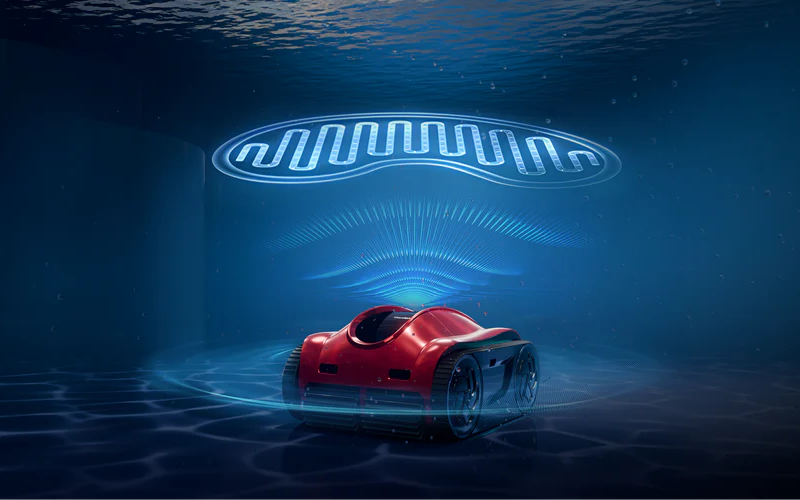
Some cordless models combine smart navigation with automatic return features that guide the cleaner toward an accessible area when the cleaning cycle finishes. This makes it easier to retrieve the device from the water. A system like the iGarden Robotic Pool Cleaner follows this approach.
Which Option Is Better for Home Pools?
Choosing between a corded and cordless robotic cleaner depends on the priorities of the pool owner.
Corded cleaners may be better suited for homeowners who:
- Have larger pools requiring long cleaning cycles
- Prefer consistent power without battery limits
- Do not mind managing a power cable
Cordless cleaners may be a better option for homeowners who:
- Want the simplest setup possible
- Prefer easier storage and handling
- Value freedom of movement without cable tangling
Both designs can provide effective cleaning when used correctly.
A Practical Way to Compare the Two
When comparing corded and cordless robotic pool cleaners, it helps to focus on a few key factors:
- Pool size and shape
- Desired cleaning frequency
- Ease of setup and storage
- Runtime requirements
- Navigation and coverage features
By considering these elements, pool owners can choose a cleaner that matches their specific pool conditions and maintenance habits.
Finding the Right Balance of Convenience and Performance
Both cordless and corded robotic pool cleaners offer clear advantages. Corded models provide stable power and extended operation time. Cordless models emphasize convenience, mobility, and simplified setup.
As robotic cleaning technology continues to evolve, many modern cleaners combine efficient navigation, strong filtration, and automated operation to make pool maintenance easier.
For homeowners looking to reduce manual cleaning and maintain a consistently clear pool, understanding the differences between these two designs is an important step toward selecting the right robotic cleaning solution.