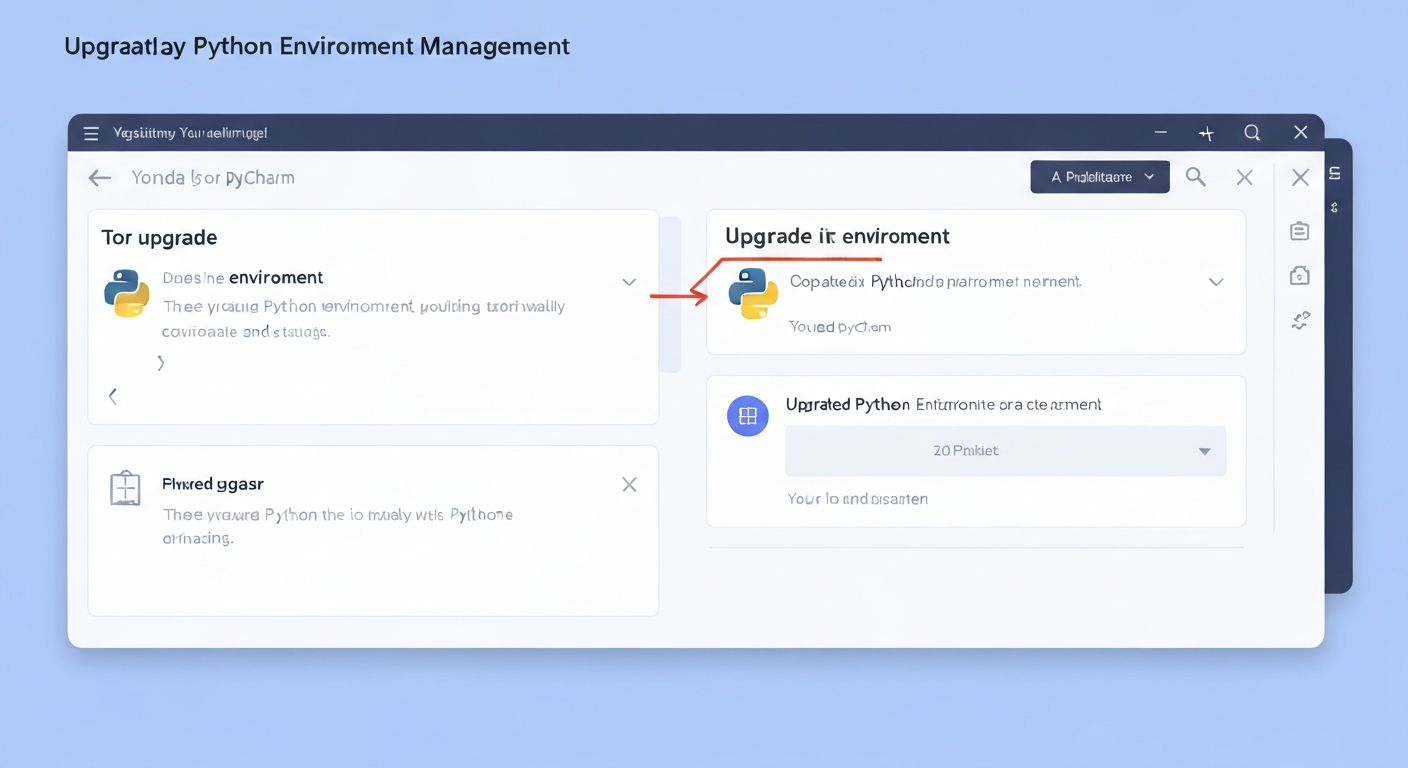
Upgrading your Upgrade Oxzep7 Python environment might seem tricky, but it doesn’t have to be. Whether you’re a beginner or an experienced programmer, keeping your Python tools updated ensures smooth performance, security, and access to the latest features. In this guide, we’ll explore how to upgrade Oxzep7 Python, common challenges, and provide easy-to-follow steps that anyone can understand.
Think of upgrading as giving your Python environment a fresh boost—it runs faster, works better, and helps prevent unexpected errors. By the end of this article, you’ll have the confidence to perform upgrades yourself and maintain your Oxzep7 Python environment efficiently.
Why You Should Upgrade Oxzep7 Python
Keeping Oxzep7 Python up to date ensures compatibility with new libraries, improved performance, and security patches. Old versions may slow down your code or fail when running modern Python packages. Upgrading also allows you to leverage new features that can make programming simpler and more efficient.
For example, Python updates often include better memory management and bug fixes. If you are building applications or running scripts that rely on Oxzep7 Python, upgrading ensures your projects remain stable and future-proof.
How to Check Your Current Oxzep7 Python Version
Before upgrading, it’s essential to know which version you’re currently using. Open your terminal or command prompt and type:
python –version
This command will show your installed Python version. Knowing your current version helps you identify whether you need a minor update or a major upgrade to the latest Oxzep7 Python release.
Backup Your Existing Python Environment
Upgrading without a backup can be risky. Before proceeding, save all important projects, scripts, and virtual environments. You can use tools like pip freeze > requirements.txt to record your current packages. This step ensures you can restore your environment if something goes wrong during the upgrade.
Step-by-Step Guide to Upgrade Oxzep7 Python
- Download the latest Oxzep7 Python installer from the official website.
- Run the installer and select “Upgrade” if prompted.
- Follow on-screen instructions to complete the process.
- Verify the upgrade using python –version again.
This simple procedure ensures your Oxzep7 Python version is updated safely and correctly.
Using Package Managers for a Smooth Upgrade
You can also upgrade Oxzep7 Python using package managers like pip or conda. These tools help manage dependencies and prevent version conflicts. Example:
pip install –upgrade oxzep7
Using package managers is especially useful for developers who work with multiple Python projects simultaneously.
Common Errors During Upgrade and How to Fix Them
Upgrading Oxzep7 Python may occasionally produce errors like permission issues or conflicts with existing packages. Common fixes include:
- Running the installer as an administrator
- Updating pip and virtual environments
- Removing old Python versions manually
These steps often resolve most upgrade issues without affecting your projects.
| Version | Release Date | Key Features | Image |
|---|---|---|---|
| Oxzep7 1.0 | Jan 2025 | Initial release with core Python functionality |  |
| Oxzep7 1.5 | Jul 2025 | Added improved memory management and bug fixes | |
| Oxzep7 2.0 | Jan 2026 | Major update with new syntax support and enhanced security | |
Benefits of Keeping Oxzep7 Python Updated
- Improved performance – Faster execution and reduced memory usage.
- Better security – Protection against vulnerabilities.
- Access to new features – Latest syntax improvements and libraries.
- Project compatibility – Run modern scripts and packages without errors.
Keeping Python updated saves time and reduces frustration in the long run.
Real-World Example: Upgrading for a Project
Suppose you are developing a data analysis project using Pandas. Older Oxzep7 Python versions may lack support for new Pandas features. Upgrading ensures your scripts run efficiently, and you can use the latest libraries without errors. This practical example shows how an update improves your workflow immediately.
Tips for a Smooth Upgrade
- Always back up your environment first
- Upgrade in a test environment before production
- Check library compatibility with your new Python version
- Keep your pip and other package managers updated
Following these tips reduces downtime and avoids project disruptions.
Frequently Asked Questions (FAQs)
Q1: Can I upgrade Oxzep7 Python without losing my projects?
Yes! By backing up your files and virtual environments, your projects remain safe during upgrades.
Q2: How often should I upgrade Python?
It’s recommended to check for updates every few months or before starting a major project.
Q3: Will upgrading affect my installed packages?
Some packages may need reinstallation. Using pip freeze before upgrading helps restore them easily.
Q4: Can I use multiple Python versions on the same computer?
Yes! Tools like pyenv or virtual environments allow multiple versions to coexist.
Q5: Why did my Python scripts break after an upgrade?
Incompatibility with older packages or syntax changes may cause issues. Updating packages usually fixes this.
Q6: Is upgrading Oxzep7 Python necessary for beginners?
Yes, even beginners benefit from the latest features, security updates, and bug fixes.
Conclusion
Upgrading Oxzep7 Python is simple, safe, and essential for modern programming. By following this guide, you can avoid common pitfalls, enjoy improved performance, and ensure your projects stay compatible with the latest tools. Always back up your environment, follow best practices, and embrace updates as a way to keep your coding journey smooth and efficient.
Stay proactive, upgrade regularly, and watch your Python projects run faster, smoother, and more securely!