In a world where everything seems to be fighting for a few seconds of attention, posters remain one of the most reliable ways to communicate an idea quickly and beautifully. Whether hanging in a café, pinned in a university hallway, showcased at an event, or shared online as a visual announcement, a good poster still has the rare power to stop people mid-walk and make them look twice. And honestly, that’s something digital noise alone can’t always do.
But creating a great poster today isn’t just about design talent — it’s about clarity, storytelling, and knowing how visuals drive decisions, emotions, and actions.
The Role of Modern Posters in Everyday Communication
Even though design tools have evolved and the world is more digital than ever, posters themselves have adapted. Today, individuals, small businesses, schools, creators, and event organizers rely on them to share information quickly — whether for a workshop, a school fair, a fundraising event, or even a personal project.
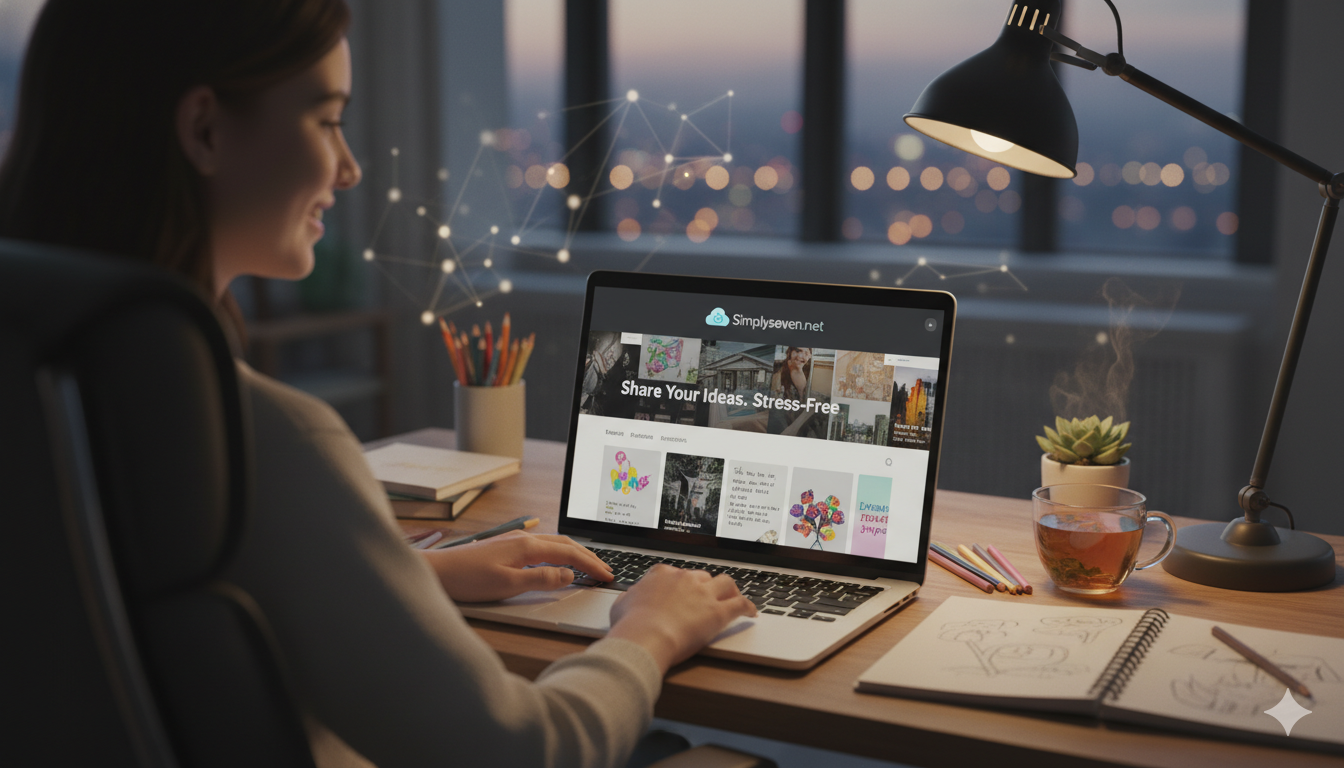
And the best part? You no longer need to hire a designer for something simple. Online tools make it easy to build your own printable posterthat looks clean, professional, and ready to share or print at home.
This shift has unlocked a whole new level of creativity for everyday people who want to express ideas visually without needing advanced design skills.
Why Posters Still Work: A Closer Look
1. They deliver information instantly
Our brains are wired to process images much faster than text. A poster uses this to its advantage. A strong color, a bold headline, and a meaningful image can tell a story long before someone reads the fine details.
A well-made poster can communicate:
- an emotion (excitement, urgency, inspiration)
- an action (join us, visit here, save the date)
- a story (why this matters)
All within seconds.
2. They’re incredibly versatile
You can use posters for nearly anything:
- events
- sales announcements
- art prints
- educational material
- motivational quotes
- product highlights
- school or university projects
They can be printed, shared as PDFs, posted online, or even turned into content for social media.
3. They help build visual identity
For small teams, creators, and personal brands, posters act like mini identity cards. The fonts, colors, and layout you choose all reinforce your style and show people what you represent.
This is especially helpful if you’re building awareness or promoting a brand. People may forget a caption, but they rarely forget a strong visual.
How to Make a Poster That Actually Works
Creating a poster isn’t just about placing text on a background. It’s about guiding the viewer’s eye, telling a clear story, and leaving an impression.
Here’s how to do it well.
1. Start with the purpose
Every great poster begins with a question: What do I want people to know, feel, or do?
This small clarity step influences:
- the headline
- the visuals
- the layout
- the call to action
If the purpose isn’t clear, the poster will look cluttered or confusing.
2. Use hierarchy to guide attention
Good posters have structure. That structure helps the viewer understand what to read first, second, and last.
Basic hierarchy looks like:
- Large, bold headline
- Subheading or short description
- Supporting details
- A clear call to action
This makes your message easier to digest.
3. Choose colors that match the emotion
Colors set the tone before the reader even processes the words.
For example:
- Red = urgency or excitement
- Blue = trust, calm
- Yellow = warmth, creativity
- Black/white = simplicity, contrast, sophistication
Try not to use too many colors — two main colors + one accent is usually enough.
4. Pick fonts that reflect the message
A playful poster needs playful fonts.
A formal one needs clean, modern typography.
Avoid mixing too many typefaces. Two fonts (one for headlines and one for small text) is a safe, professional approach.
5. Leave breathing room
Whitespace makes your poster look modern and easy to read.
People often think adding more makes a poster better — but it’s actually removing the unnecessary elements that makes it powerful.
6. Use visuals with intention
Images, illustrations, icons, and graphics should support the message, not distract from it.
A great visual:
- adds clarity
- enhances emotion
- helps the viewer remember the message
If it doesn’t do one of these, it might not belong on the poster.
Real-Life Situations Where Posters Make a Difference
School or university projects
Students create event announcements, project visuals, or awareness campaigns. Posters help ideas feel “real” and polished.
Small businesses
From cafés promoting a seasonal menu to fitness studios highlighting class schedules, posters help attract walk-ins and communicate updates instantly.
Creators and freelancers
Artists can turn posters into art prints. Videographers can promote their latest work. Podcasters can highlight new episodes visually.
Community and cultural events
Workshops, concerts, charity drives — posters bring people together by capturing the energy of an event in one snapshot.
Tips from Professionals for a Standout Poster
- Stick to one core message
- Test different color combinations
- Make your headline short and bold
- Use high-quality images
- Print a test version before finalizing
- Step back and view the poster from a distance
- Ask someone else to look at it — if they don’t understand it in 3 seconds, adjust it
These small practices elevate your poster from “good” to “great.”
Final Thoughts
Posters haven’t disappeared — they’ve simply evolved. They’re no longer limited to designers or print shops; they’re now accessible to everyone who wants to communicate creatively and effectively.
And in an era where attention is precious, a well-designed poster is still one of the most powerful ways to make someone stop, notice, and engage.
If you approach poster design with clarity, emotion, and simplicity, you won’t just make something beautiful — you’ll make something memorable.